
Eyes Wide Shut Explained Through Archetypes: A 12-Stage Story Breakdown
- analasic

- Sep 10, 2025
- 4 min read
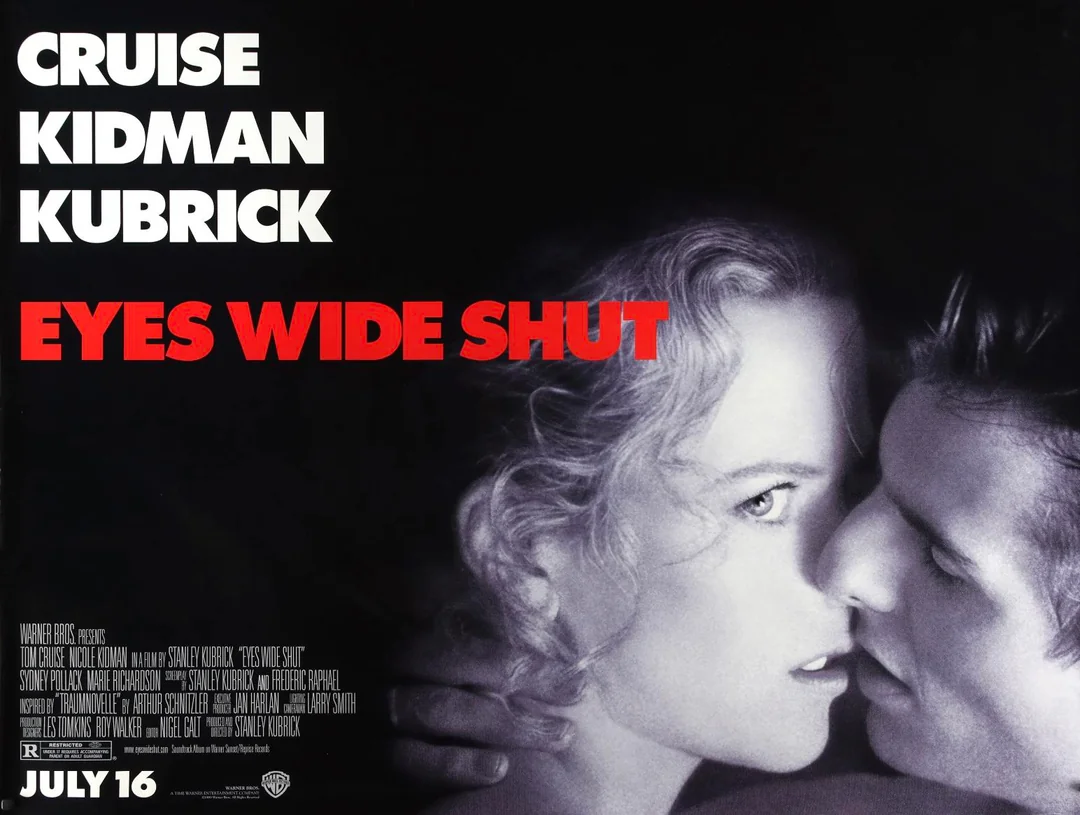
Eyes Wide Shut (1999), directed by Stanley Kubrick.

FIRST ACT – BIRTH
1. WARRIOR (exposition of a wound, ego): Battlefield
Bill and Alice live a comfortable family life, but the spark has faded. At the party, both openly flirt, revealing what they crave: to “spice things up” and, even more importantly, to climb toward higher status. Beneath the surface, a battlefield is already raging—desire clashing with emptiness.The overdose scene with Mandy serves as a dark omen, a warning of where this path will lead if they continue to pursue it.
2. CREATOR: Heart’s Desire
Alice shatters the illusion of safety: she confesses her fantasy of a naval officer, so intense that she would have risked everything. This is the inciting incident—the spark that burns through Bill’s self-image and exposes the fragility of their marriage. He is wounded because he cannot be part of her fantasy. But it’s not only about who he is within the marriage—it is also about what his own fantasy might be.
3. EXPLORER: A Better Life Is Possible (Anarchy)
Bill sets out into the night to test who he is and what he truly desires. On the street, he is mocked as gay—a direct blow to his masculinity. At the home of a deceased patient, the grieving daughter throws herself at him in obsessive desperation. The city itself becomes a labyrinth of temptation and chaos. His false belief begins to crumble, replaced by the first glimpse of a darker vision: a world without order, where new rules—or none at all—reign.
SECOND ACT – MANIFESTATION
4. LOVER: Love Introduced
Bill encounters a prostitute, Domino. Their intimacy carries a spark of recognition—it feels real, not merely transactional. Closeness appears as a possibility, but it immediately triggers fear and retreat (Alice’s call interrupts the moment). Domino even refuses to charge him, as if both sense something beyond the exchange. Had they stayed together longer, something genuine might have emerged.
5. SAGE: Reasons Behind Suffering
Nightingale, the musician-mentor, offers a possible remedy. He gives Bill the password: Fidelio. Fidelity and betrayal now become the central theme. In Bill’s quest for “remedies,” we glimpse the root of suffering: the denial of authentic connection and the need to confirm identity through power and fantasy.
6. RULER: Wish Fulfilled
Bill enters the secret society. His wish is fulfilled: he has gained access to the forbidden world of power. Yet this is a false victory. Ego triumphs, but the inner void only deepens. A dangerous high point—a false summit.
(Esoteric note: the greatest potential energy always resides in sexuality and death.)
THIRD ACT – STRUCTURE
7. FOOL: Double Identity—Fool and Games Upside Down (Inside Out)
The masquerade becomes a game within the game. Masked and alone, Bill confronts the false identities of others. He is humiliated, deceived, and trapped in a spectacle of power and guilt.The performance (“Take me”) is both a warning and an initiation. Here his true transformation begins: the hero is deceived by the deceivers.
8. ORPHAN: Problems in (Criss-Cross) Relationships (Cheating)
Alice dreams of infidelity—in her vision she laughs at Bill while sleeping with other men. “We were naked,” she says. The image strips him bare as well: shame, exposure, and tears. Illusion carries the same weight as reality: “Everyone was fucking, I was fucking other men, and I knew you could see me.”
Mandy disappears. Nightingale is in trouble. Milich “sells” his own daughter. Every bond collapses into danger, shame, or betrayal.
Bill then glimpses his wife with their daughter—a chilling reminder of the orphan’s possible fate: abandonment.
9. MAGICIAN: Truth Is Known
He could have slept with Domino, the HIV-positive prostitute—a brutal reminder of where he does not belong, and where he might. His false belief collides with the true one. Then, in a newspaper headline, truth is finally revealed (deus ex machina): Mandy is dead. The woman who might have saved him is gone. Bill’s curiosity and false certainty have brought him to the edge of destruction.
FOURTH ACT – PARADISE / RESURRECTION
10. CAREGIVER: Final Separation
Bill goes to the morgue, where Mandy lies dead. He leans over her body—a farewell both intimate and devastating. This death marks the final separation from illusion. Out of it emerges the possibility of responsibility and true intimacy.
11. DESTROYER: Kill or Heal (Change or Die)
Ziegler reveals part of the truth. Even though Mandy’s sacrifice for Bill was nothing more than a game, she was later found dead in a hotel. Ziegler says overdose. But who is truly guilty, and what real choice did she ever have, knowing what she knew? Would they have spared her? And why would she take drugs in the first place? For the powerful, lives are disposable —reduced to mere commodities.
Bill realizes the full scope of what has happened—except for the warning hidden beneath: he truly does not belong to their world. He didn’t pass the test.
They reject him because he still has a conscience. The price of belonging would be too high. With money you can buy anything—except love or entry into the highest class.
Morals are for those in between: the ones at the bottom cannot afford them, and the ones at the top don’t need them.12. INNOCENT: Live and Share
The masks fall—for the first time, they truly see each other. With illusion gone, “naked before one another,” a new space for honesty and intimacy opens. Alice and Bill forgive each other, rising to a higher level of closeness. In that moment, the invitation for sex—no longer fantasy but grounded in reality—becomes the symbol of their rebirth. Yet one question lingers, sharp and unresolved: Where is Helena going? What kind of world awaits her?



If this resonated with you, I’d love to hear your thoughts. Leave a comment—whether it’s a question, an insight, or simply your impression.
You can also follow me on Substack:


Comments